
See What Seal Failure In Windows Tricks The Celebs Are Utilizing
Understanding Seal Failure in Windows: Causes, Consequences, and Solutions
Windows are an important component of any building structure, providing natural light and ventilation while enhancing visual appeal. Nevertheless, with prolonged direct exposure to environmental aspects, windows can establish various concerns, among the most widespread being seal failure. This short article looks into the reasons for seal failure in windows, its consequences, and efficient solutions to correct the issue.
What is Seal Failure?
Seal failure in windows typically takes place when the insulating gas, such as argon or krypton, leakages out from in between the double or triple-pane window units. This sealing failure results in condensation, reduced energy performance, and aesthetic problems, decreasing the efficiency and look of the window.
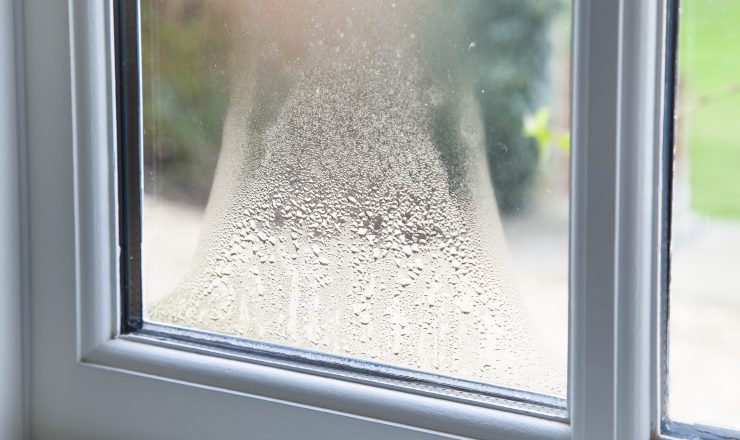
Typical Signs of Seal Failure
Discovering seal failure in windows early can prevent more damage and more costly repairs. Here are some signs house owners need to expect:
- Condensation in between panes: Moisture forming in between the window panes indicates a compromised seal.
- Frost or ice build-up: Visible frost or ice inside the window is another indication of a seal defect, especially in chillier weather.
- Visual distortion: Changes in clearness, such as a cloudy or wavy appearance, signal seal failure.
- Increased energy costs: A visible uptick in heating or cooling costs may show the loss of energy efficiency due to seal failure.
Table 1: Common Signs of Seal Failure in Windows
| Sign of Seal Failure | Description | Suggested Action |
|---|---|---|
| Condensation between panes | Moisture trapped in between window panes | Seek advice from a window professional |
| Frost or ice accumulation | Ice accumulation on the interior of the window | Check the window seals |
| Visual distortion | Cloudy or blurry look of the glass | Think about replacement |
| Increased energy expenses | Greater energy expenses attributed to energy loss | Carry out an energy audit |
Causes of Seal Failure
Several elements can add to the failure of seals in windows, including:
Poor installation: Incorrect setup practices can create gaps that lead to seal failure gradually.
Age: Like any other building material, windows have a lifespan. As they age, the products can degrade, resulting in seal degradation.
Temperature level fluctuations: Extreme temperature modifications can trigger expansion and contraction, resulting in stress on the seals and eventual failure.
Moisture infiltration: Excessive humidity can cause mold and mildew, which can break down the stability of window seals.
Manufacturing defects: Sometimes, malfunctioning window units or flawed materials can lead to early seal failure.
Effects of Seal Failure
The implications of seal failure in windows can be substantial and destructive. Property owners may experience:
Reduced Energy Efficiency: Seal failure jeopardizes a window's capability to insulate, resulting in heat loss in winter season and increased cooling expenses in summer.
Increased Maintenance Costs: As moisture and mildew build-up take place, property owners might face extra costs for cleansing or replacing windows and other impacted locations.
Decreased Property Value: Windows with seal failure can detract from a home's general appearance and performance, possibly lowering market price when selling.
Health Risks: Mold growth from moisture intrusion can position health risks to citizens, especially those with respiratory issues.
Preventive Measures
Taking preventive steps can considerably reduce the risk of seal failure in windows. Here are some efficient methods:
Regular Inspection: Homeowners must often examine windows for signs of seal failure and deal with any problems promptly.
Correct Installation: Ensuring that windows are installed by certified professionals can decrease the danger of seal failure.
Environmental protection: Using dehumidifiers in humid environments can safeguard windows from moisture damage.
Routine Cleaning: Keeping windows clean can help recognize early indications of potential failure, permitting house owners to address them sooner.
Table 2: Preventive Measures for Seal Failure
| Preventive Measure | Description |
|---|---|
| Routine Inspection | Check windows regularly for signs of moisture or distortion |
| Proper Installation | Work with experts for window setup |
| Environmental Control | Use dehumidifiers in high-humidity locations |
| Routine Cleaning | Maintain cleanliness of windows to catch problems early |
Solutions for Seal Failure
When seal failure occurs, homeowners have numerous options for dealing with the problem:
Repair: In some cases, specialized services can repair the failed seal and bring back performance to the window.
Replacement of Window Panes: If repair is not possible, replacing the damaged window panes might be necessary.
Complete Window Replacement: For windows experiencing substantial failure or degeneration, complete replacement might be the best long-lasting solution.
Consider Energy-Efficient Windows: When changing old windows, consider investing in energy-efficient designs that include improved seals and insulation properties.
FAQs about Seal Failure in Windows
Q: How long do window seals normally last?A: Window seals can last anywhere from 10 to 20 years, depending on the quality of the windows and regional environment conditions. Q: Can I avoid seal failure?A: Yes, by conducting regular evaluations, making sure correct setup,
and managing indoor humidity levels, property owners can reduce the threat of seal failure. Q: What ought to I do if I see condensation in between my window panes?A: It's advisable to get in touch with a
needed. Q: Are all windows vulnerable to seal failure?A: While all kinds of windows can experience seal failure, double and triple-pane windows are more commonly impacted due to their sealed styles. Understanding seal failure in windows, including its causes, effects, and preventive procedures, equips property owners to make informed choices aboutkeeping their windows. Taking proactive actions to resolve and manage seal failure can boost energy efficiency, safeguard property worth, and contribute to a healthier living environment. By remaining watchful and acting promptly, property owners can preserve the integrity and performance of their windows for many years to come.
